A lot of the households I work with on a luxury Myrtle Beach retirement are coming from a specific handful of places: Providence, Springfield, Peabody, Long Island, and Montclair. Different states, different price points, but the same underlying question — what does trading a high-tax Northeast address for a coastal South Carolina one actually look like, in real numbers and real lifestyle terms? Here's the honest breakdown, market by market.
What a Luxury Myrtle Beach Retirement Actually Costs, By Starting Point
The math looks a little different depending on where you're starting from, so it's worth breaking out individually rather than treating "the Northeast" as one homogenous market.
Providence, RI — The typical home value here sits at $418,040, up a modest 1.4% over the past year. Rhode Island's income tax runs 3.75% to 5.99%, and the state does tax Social Security benefits once your income clears $107,000 single or $133,750 joint, even for retirees at full retirement age. Rhode Island also levies its own estate tax above a $1.8 million exemption, with rates climbing as high as 16%.
Springfield, MA — Western Massachusetts carries a lower price tag than the Boston suburbs, but it's still bound by the same statewide tax structure: a 5% flat income tax plus an additional 4% surtax on income above roughly $1.08 million, and property taxes that average around 1.1% statewide. Massachusetts' overall housing cost index sits at 217.5 against a national baseline of 100 — more than double the national average, regardless of which corner of the state you're in.
Peabody, MA — Peabody was just named America's hottest ZIP code for 2026 by Realtor.com, with a median listing price of $667,000 and homes selling in as little as 20 days. That's a genuinely strong market to be selling out of, and it carries the same Massachusetts tax structure as Springfield above.
Long Island, NY — Nassau County's average effective property tax rate runs around 1.79%, and Suffolk County's runs even higher at roughly 2.42% — among the highest property tax burdens anywhere in the country. Layer New York's top marginal income tax rate of 10.9% on top of that, and Long Island is consistently one of the most expensive places in America to own a home and draw an income at the same time.
Montclair, NJ — The typical Montclair home is now valued at $1,102,512, up 6.6% over the past year. New Jersey carries the highest effective property tax rate of any state in the country, averaging 2.11% statewide, and its top income tax rate of 10.75% is the fourth-highest nationally.
The Common Thread: What South Carolina Doesn't Tax
Whichever of these five markets you're coming from, the relief on the other end looks remarkably similar. South Carolina doesn't tax Social Security income at all, regardless of your other income. It has no state estate tax and no inheritance tax, unlike Rhode Island's $1.8 million estate tax exemption or the layered structures in Massachusetts and New York. And its effective property tax rate on an owner-occupied primary residence runs around 0.33% — a fraction of what Nassau, Suffolk, Essex County, or the Massachusetts statewide average charge on a comparably valued home.
That combination is exactly why a luxury Myrtle Beach retirement tends to pencil out so favorably no matter which of these five cities you're leaving. The specific dollar amounts differ, but the direction of the math is the same in every case. Run it against Montclair's own $1.1 million typical home value, for example: New Jersey's statewide property tax average works out to roughly $23,000 a year on a home that size, compared to somewhere around $3,600 a year at South Carolina's rate — a gap of nearly $20,000 annually, every single year you own the home. Long Island buyers see a similar story once Nassau's or Suffolk's rate is run against a comparably priced property, and Rhode Island and Massachusetts sellers add their own state's estate and surtax exposure on top of that same property tax gap.
None of these five states did anything wrong to get here — property taxes fund real services, and estate taxes reflect real policy choices. But a retiree is one of the few people in a position to simply opt out of that structure entirely, without changing careers or uprooting a family from a school district. That's the piece of this decision that's genuinely unique to retirement timing.
The Luxury Lifestyle Piece
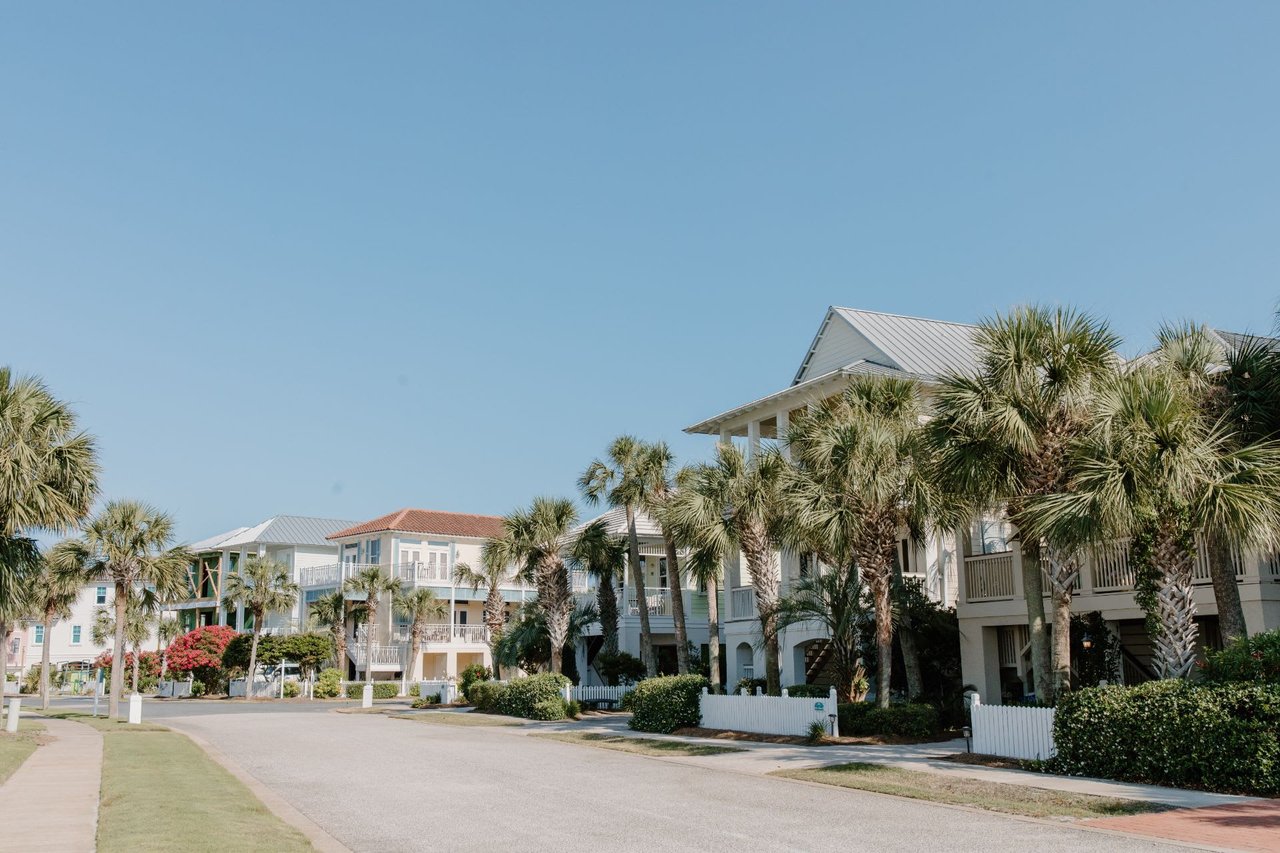
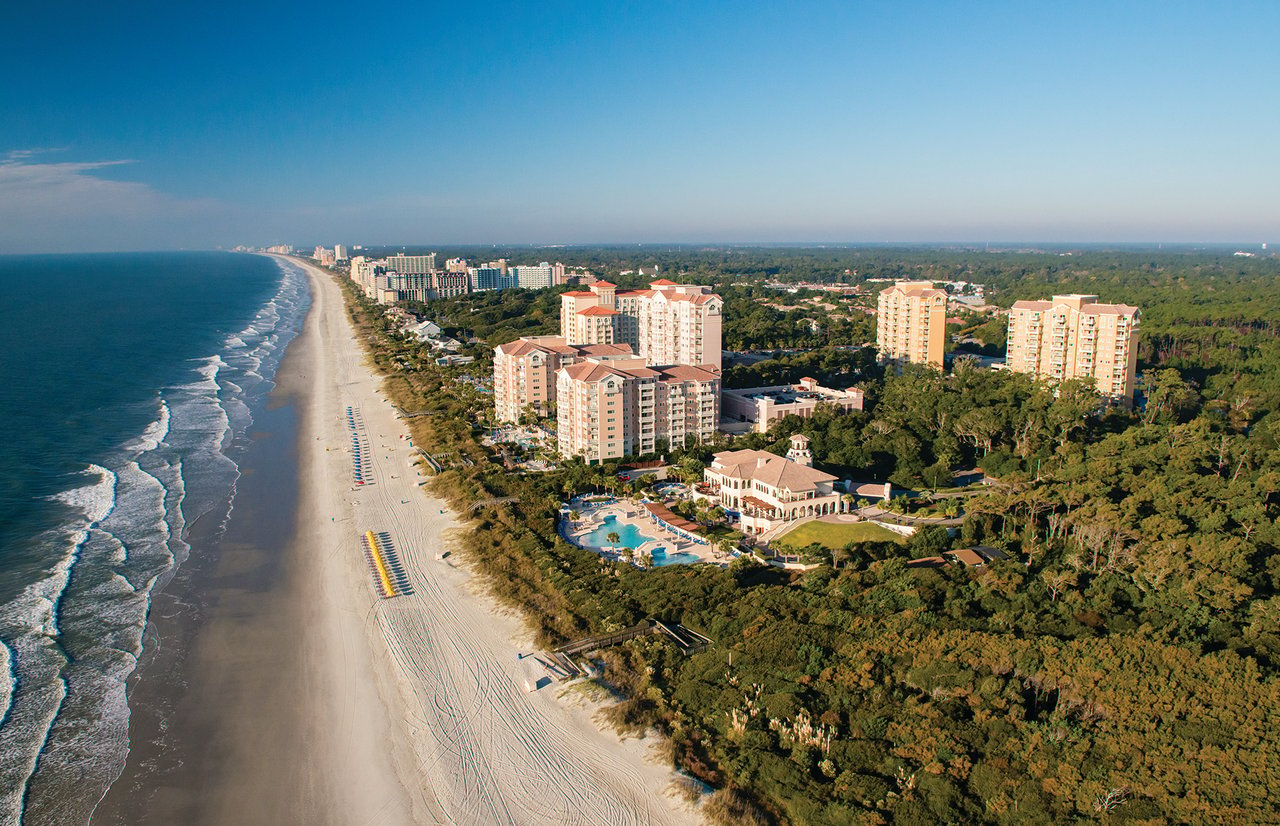
The financial case gets people looking, but the lifestyle is usually what closes the deal. Myrtle Beach is home to more than 90 golf courses and carries the well-earned nickname the Golf Capital of the World, with several courses ranked among the best in South Carolina by GolfWeek. Gated, oceanfront, and golf-course communities here offer a genuinely different daily rhythm than a Northeast winter — one built around outdoor living most of the year rather than a short seasonal window.
There's also a real economic story underneath the lifestyle. South Carolina has become a hub for automotive manufacturing and energy investment, with major employers expanding across the state, and I personally track private aviation activity at the Grand Strand's general aviation airports as a leading indicator of high-net-worth interest along this coastline — activity that's been notably strong and growing. This isn't a market riding on beach access alone; it's one with real economic depth underneath the golf courses and oceanfront views.
Communities like Grande Dunes and Pawleys Island have long attracted exactly this kind of buyer, and some of the most significant sales along this stretch of coast happen off-market entirely, between buyers who already understand what this area offers. For someone coming from a $1 million-plus home in Montclair or a well-established Providence or Long Island property, that's a familiar dynamic — the best inventory here often moves the same way it does back home, through relationships and local knowledge rather than public listings alone.
What Buying Actually Looks Like as an Out-of-State Buyer
Buying from a distance raises legitimate questions — residency timing, closing logistics, how financing works when you're not local yet. Our breakdown of buying property in South Carolina walks through exactly that process for out-of-state buyers, and it's worth reading before you get too far into a specific search. For anyone who wants to see homes in person before committing, our open house schedule across the Carolinas is a good way to plan a visit around properties that are actually open for touring, rather than relying entirely on photos and virtual tours.
Browsing What's Actually Available
Numbers and tax comparisons only go so far — at some point it helps to see what's actually on the market. Browsing what's currently available across Myrtle Beach is a good starting point for understanding the range, from golf-course condos to oceanfront estates, and our full home search tool lets you filter by the specific price point, community, and features that matter most for your own version of a luxury retirement here.
Why Work With a Luxury Realtor Who Knows the Northeast
I've spent 15 years building a business specifically around helping households from Rhode Island, Massachusetts, Long Island, and New Jersey make this exact move, and that focus matters more than it might seem. Understanding what you're leaving behind — the tax structure, the market conditions, the emotional weight of leaving a longtime home — shapes how I help you find the right fit here, not just a home that checks boxes on a listing sheet. A bit more about my background and how I work with buyers making this transition is there if you'd like the fuller picture.
Let's Talk Through Your Specific Move
Every one of the five markets above has its own numbers, but your own situation has its own numbers too, and those are the ones that actually matter. Reach out here and we'll go through exactly what a luxury Myrtle Beach retirement would look like coming from your specific home, your specific tax situation, and your specific idea of what retirement should feel like.