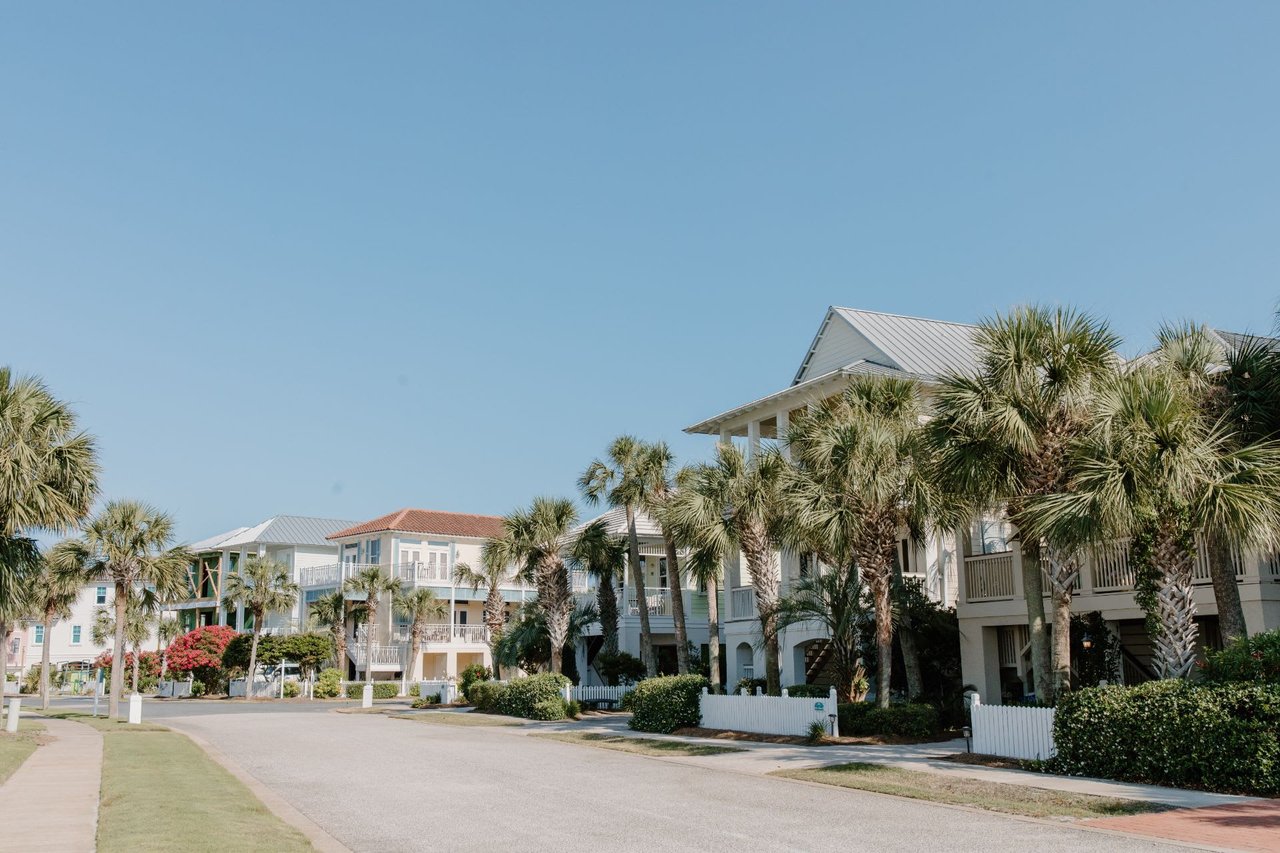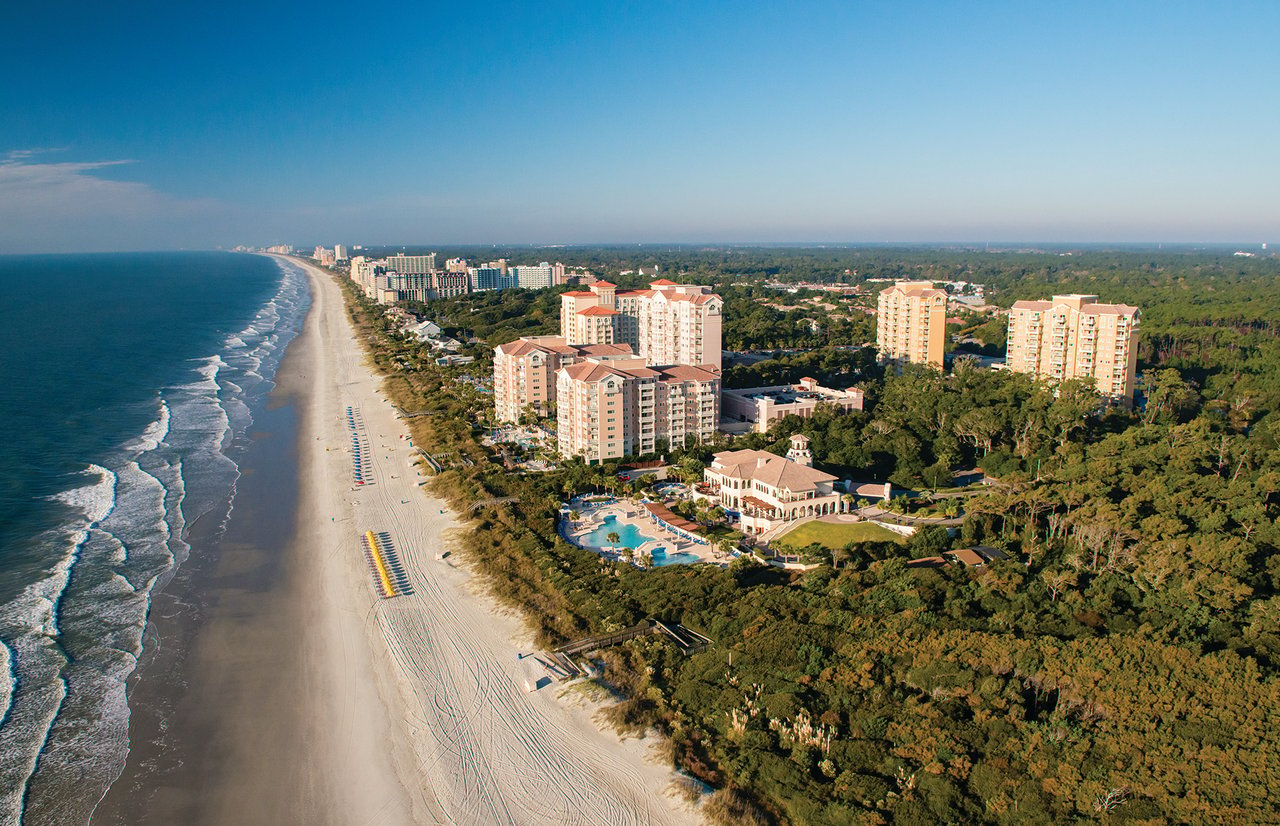
Peabody, Massachusetts just earned a title most homeowners would love to have and most house-hunters dread: America's hottest ZIP code for 2026, according to Realtor.com's annual ranking. If you own a home there right now, that's genuinely good news. But it's also exactly the kind of headline that gets a lot of Peabody homeowners quietly running numbers on what else that equity could buy somewhere else. I've spent 15 years helping people make that exact calculation, and moving to Myrtle Beach from Peabody is a comparison worth taking seriously rather than just daydreaming about.
Why Peabody Just Became the Hottest ZIP Code in the Country
Realtor.com's ranking wasn't based on median price alone — it measured buyer demand and how quickly homes actually sell, and by that measure, Peabody is in a league of its own right now. Homes there were selling in as little as 20 days on the open market, frequently for slightly above asking price, with one data source putting the typical time to a pending sale closer to just 8 days and nearly 70% of sales closing above list price. The median listing price hit $667,000 in June 2026 — about $230,000 above the national median, though still nearly 20% below the broader Boston metro average. Zillow's typical home value estimate for the area runs even higher, around $707,000.
What's driving it isn't a mystery. Peabody has a genuinely walkable downtown, sits at the crossroads of I-95, Route 128, and Route 1, and carries a relatively low property tax rate compared to a lot of its North Shore neighbors. It's also not the first time Peabody has shown up near the top of this kind of list — it ranked in Realtor.com's top 10 back in 2018 and again in 2021, so this isn't a one-year fluke. It's a market that's been quietly, consistently in demand for the better part of a decade.
Peabody isn't alone, either. Westfield, Massachusetts landed at number five nationally in the same ranking, and New Haven, Connecticut was the only other New England city to crack the top 10. That pattern is worth sitting with: even in a year when affordability pressure is a constant headline across the Northeast, demand for these specific pockets of Massachusetts and southern New England hasn't softened at all. Prices keep climbing because buyers keep showing up, which is exactly the kind of environment that makes a strong, fast sale more likely for anyone who already owns here and starts thinking seriously about what else that value could do somewhere less expensive.
What Moving to Myrtle Beach from Peabody Actually Changes Financially
Here's where it gets interesting for anyone sitting on a Peabody property right now. A seller's market this competitive means a home can move fast and often above asking — which is exactly the kind of favorable timing that makes moving to Myrtle Beach from Peabody worth running the numbers on rather than assuming it's out of reach. The equity built up in a $667,000-to-$700,000 Peabody home goes considerably further once it's redeployed into a South Carolina market that isn't carrying anywhere close to the same price level.
The clearest way to see the gap is through housing cost data rather than any single listing price. A statewide Housing Cost Index built from the C2ER Cost of Living Index scores every state against a national average of 100. Massachusetts came in at 217.5, more than double the national baseline. South Carolina scored 79.8, roughly 20% below it. That's not a small gap between two comparable markets — it's the difference between a state where housing runs well over double the national norm and one running meaningfully under it, on the exact same scale.
Property taxes tell a similar story once you get past the sale price itself. Massachusetts homeowners pay an effective property tax rate that averages right around 1.1% statewide, and North Shore communities like Peabody aren't the cheapest slice of that average even with their comparatively favorable local rate. South Carolina's rate on an owner-occupied primary residence runs closer to 0.33% — a difference that adds up to real annual savings on a comparably priced home, year after year, long after the moving trucks are gone. Run it on Peabody's own numbers: property taxed at Massachusetts' 1.1% average on a $700,000 home works out to roughly $7,700 a year, while the same home value taxed at South Carolina's primary-residence rate comes to around $2,310 — a gap of about $5,400 every single year, with no expiration date on the savings.
The Bigger Tax Picture: Massachusetts vs. South Carolina
Property taxes are only part of the comparison. Massachusetts taxes income at a flat 5%, plus an additional 4% surtax on income above roughly $1.08 million in 2026 — a detail that matters most for anyone selling a highly appreciated home or business, but one worth knowing about regardless. South Carolina doesn't tax Social Security income at all, and it has no state estate or inheritance tax, two details that matter enormously more as retirement gets closer than they do earlier in a career.
None of this means Massachusetts is a bad place to have built a life — clearly, a lot of people still want in, or Peabody wouldn't be the hottest ZIP code in the country right now. It means the math on staying versus relocating looks different once you actually run it, rather than assuming a familiar place is automatically the more affordable one just because it's familiar.
Still Close to Home: The Flight Math
One of the more common hesitations I hear from Massachusetts clients is some version of "but then I'm far from everyone." In practice, that's less true than it feels. Delta and American both operate nonstop flights between Boston and Myrtle Beach, with a flight time of about two and a half hours — genuinely comparable to driving to a lot of places within New England itself, and considerably shorter than a lot of people assume before they actually look it up.
For anyone weighing a move who still has kids, grandkids, or aging parents back in the Peabody area, that's a meaningful detail. A direct flight measured in hours rather than a full day of connections is the kind of thing that turns "we'll never see them" into "we'll fly up for the holidays and they'll fly down every winter," which is how this move actually tends to play out for the households I've worked with.
What This Means If You're Watching Peabody's Market Right Now
If you're a Peabody homeowner who's been watching this ranking with a little bit of curiosity, the timing is genuinely worth paying attention to. A market where homes sell in single-digit-to-low-double-digit days, often above asking, is about as favorable a selling environment as it gets — and that kind of environment doesn't last indefinitely. Pairing a strong Peabody sale with a purchase in a market running well under the national cost average is the kind of alignment that doesn't come around every year.
Browsing what's currently available across Myrtle Beach is a reasonable way to see what that equity could actually buy here — from condos near the boardwalk to single-family homes further inland — before getting deeper into the specifics of your own numbers. It's also worth looking at the wider range of South Carolina neighborhoods I work in, since the right fit depends heavily on what you're used to and what you're hoping changes.
Let's Run Your Actual Numbers
A ranking like Peabody's hottest-ZIP-code title is a nice headline, but it doesn't tell you what your specific home would sell for, what a comparable property here actually costs, or how the full tax and cost-of-living picture nets out for your household. That's a conversation, not a national statistic. A little more about the 15 years I've spent helping people make exactly this kind of move is there if you want the background on who you'd be working with, and if you're ready to talk specifics, reach out here and we'll go through what moving to Myrtle Beach from Peabody would actually look like for your situation — not just the statewide averages.